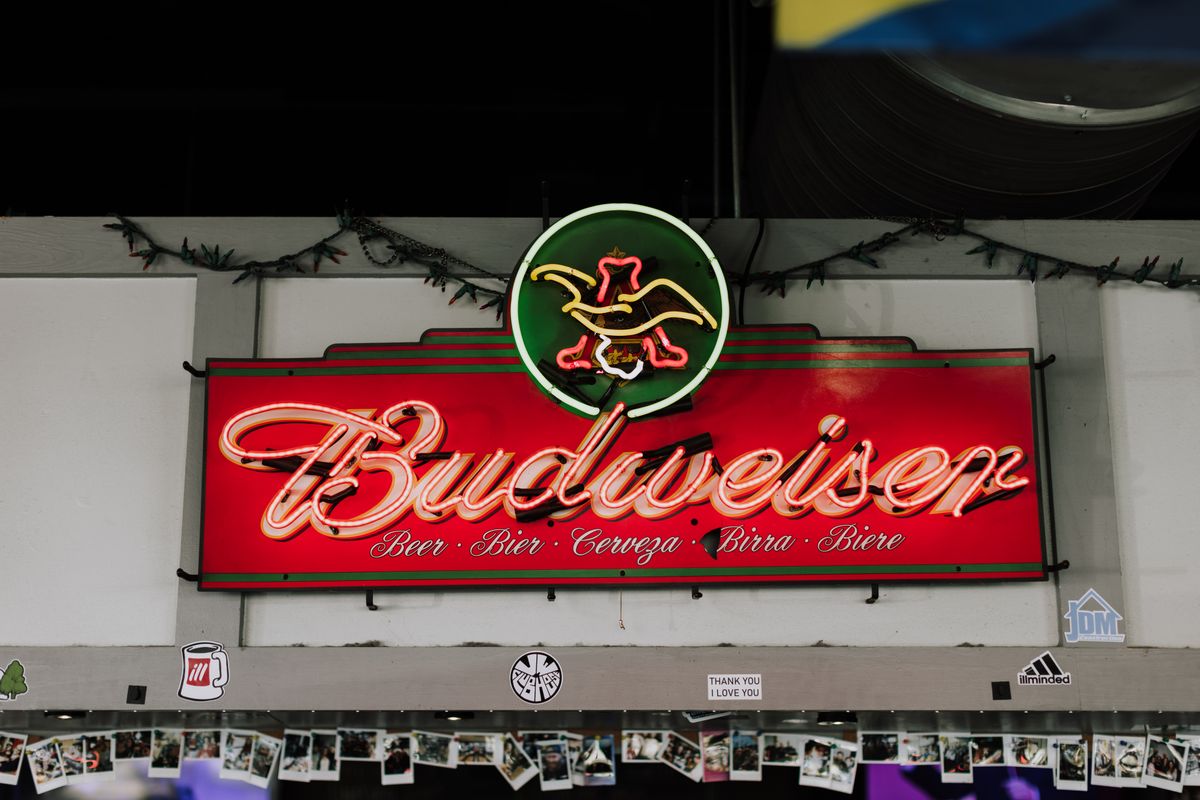
October is when Chicago comes home to the tavern. The patios fold up, the light goes amber by five, and the city's true living rooms, its dive bars, fill back up with regulars who never really left. We spent years on the polished side of this industry, and we will say it plainly: the dive bars in Chicago are the soul of the city's drinking culture. This is our loving tour of the canon, plus the etiquette that keeps you from being a tourist in it.
What makes a Chicago dive a dive
Definitions first, because the word gets abused. A dive is not a theme; it is an accumulation. It is a bar that got this way by staying open, decade after decade, while the neighborhood changed around it. The telltale signs: an Old Style sign glowing out front, a cash register older than the staff, a jukebox with strong opinions, red vinyl mended with tape, and a bartender who runs the room like a benevolent ward boss. Prices are honest. Conversation is the entertainment. Nobody has ever said the word "mixology" inside and survived socially.
Chicago is arguably the best dive city in America because of infrastructure: a tavern culture built for shift workers, corner licenses in every neighborhood, and winters that make a warm room with cheap beer a civic necessity. The dives that remain are survivors of a great thinning, which is exactly why they deserve your business, conducted respectfully, in cash.
Old Town Ale House: the Louvre of dives
The Old Town Ale House has been pouring across from Second City since the fifties, and it may be the most storied dive in the city: a haunt of comedians, writers, and night people, its walls crowded with decades of paintings, including the owner's infamous and gleefully scandalous portraits of politicians and celebrities. The room reads like a group memoir. Regulars have their spots, the after-show crowd rolls in late, and the bar has hosted more legendary arguments than most faculty lounges.
Go, order a beer, and give the walls the slow lap they deserve. Late night is when it earns its reputation; the Ale House keeps long hours and the cast of characters improves as the evening deepens. Be cool about the celebrity lore. Everyone who works there has heard your Second City story before, and told it better.
Rainbo Club: the artists' local
The Rainbo Club on Damen has been Wicker Park's clubhouse since long before the neighborhood had a single condo, a former speakeasy-era room that became the default living room of the city's musicians, photographers, and writers in the nineties and never gave up the title. The horseshoe bar, the little stage alcove glowing at the back, the photo booth that has documented three decades of questionable decisions: it is all still there, and the drinks are still priced like the eighties are ending rather than long gone.
The Rainbo is a good first dive for the nervous, friendly, handsome in a faded way, and full of people who look like they are between creative projects because they are. Get a can and a shot, feed the photo booth, keep your voice at room level. That is the entire program.
Skylark: the South Side standard-bearer
The Skylark, out on Halsted in Pilsen, is the connoisseur's dive: dark, roomy, red-lit, with a bar that seems half a block long, a photo booth of its own, and a kitchen slinging tater tots that have achieved minor civic fame. It draws an easy mix of artists, neighborhood lifers, and service-industry people getting off shift, and it is cash only, with an ATM on site for the unprepared. The jukebox is excellent and knows it.
The Skylark also demonstrates a rule of the genre: great dives often have quietly great food. Not ambitious food, correct food. Tots, a burger, something fried, arriving without ceremony while the jukebox plays something you forgot you loved. On a cold October night with the windows steamed up, there are few better rooms in the city.
A dive bar is a place that has decided, firmly and forever, that it is finished becoming anything else. In a city addicted to reinvention, that is the rarest luxury going.
Richard's Bar: the time capsule
Richard's Bar on Grand Avenue, at the seam between River West and the old Italian blocks, is the dive as time capsule: an old man bar in the classic sense, where the decor stopped updating decades ago, the pours are generous, and the soundtrack runs to Sinatra and doo-wop off the juke. It has become improbably beloved by a younger crowd without changing a thing about itself, which is the only acceptable way for that to happen.
House customs to observe: it is cash only, drinks come fast and without garnish, and the room is small enough that big groups warp it, go in twos and threes. Treat the regulars' territory at the bar with respect and you will be treated like you have been coming for years. This is also a place to practice the lost art of just sitting at a bar with a drink, no phone, watching the room work.
Simon's Tavern: October's official dive
If this tour has a seasonal headquarters, it is Simon's Tavern in Andersonville, the Swedish-rooted bar under the fish-shaped sign that has anchored Clark Street since the thirties, complete with genuine Prohibition lore in its basement history. Every fall, Simon's taps its glögg, the warm spiced Swedish wine that arrives with the cold weather, and the first glögg of the season is one of Chicago's true autumn rituals, up there with pretending we will enjoy the snow.
The room is long, dark, and nautically strange, and the crowd is Andersonville in miniature: old-timers, new arrivals, and everyone in between. Go on a raw October night, order the glögg, and feel the entire genre justify itself in one warm cup.
The wider canon, rapid fire
No dive tour is complete, and no honest one claims to be. Other rooms that belong in any serious rotation:
- L&L Tavern on Clark in Lakeview: sharp-tongued, storied, and blessed with one of the city's best jukeboxes.
- Carol's Pub in Uptown: the honky-tonk survivor, live country bands and two-stepping deep into the night, a longtime fixture that has weathered closures and revivals.
- Nisei Lounge in Wrigleyville: the oldest bar in the neighborhood and the antidote to everything else in it, especially sweet during October baseball heartbreak season.
- Rossi's on State Street: a genuine downtown dive, dark as a pocket, holding the line amid the Loop's glass towers.
Every neighborhood keeps its own list, and asking a bartender for the next stop is both allowed and encouraged. That is how the map actually propagates.
On Old Style signs, and why they matter
A field note on iconography. The glowing Old Style sign, red, white, and cursive, hanging off a corner building is Chicago's most reliable piece of urban signage: where you see one, a tavern is or recently was. The brewery seeded them across the city for decades, and they became a kind of unofficial landmark system, a constellation you can navigate by at night. Preservationists now catalogue them; regulars simply steer by them.
The beer itself is part of the liturgy too. Old Style is not a great beer and that has never once been the point. It is the handshake, the price of admission, the thing you order when you want the bartender to know you understand where you are. Tallboy or draft, with a shot of something brown alongside if the evening has ambitions. Every drinking city has its sacramental cheap beer, and ours comes with its own signage, which feels appropriately Chicago: even our humility is well marked.
Dive etiquette: how not to be a tourist
The dive bar runs on unwritten rules, and following them is the difference between being a guest and being a problem. The core doctrine: you are in someone else's living room. Order simply, beer and a shot is always correct, and if you must have a cocktail, keep it to two ingredients. Tip in cash, every round, a dollar or two per drink; dive bartenders remember tippers with the accuracy of court stenographers. Do not photograph the regulars. Do not film anything. Do not ask for the wifi password, a menu, or the game to be changed.
Jukebox law deserves its own paragraph. The jukebox is a public trust: play a couple of songs, not twelve, read the room before you queue anything, and never, ever skip someone else's picks. A good jukebox run can make you friends for the night; an arrogant one marks you faster than any accent. And carry cash generally, because plenty of these rooms are cash only, and the ATM inside charges accordingly. Consider the fee a preservation tax.
Building a dive crawl, and knowing when to stop
Dives cluster beautifully for walking. Andersonville and Uptown make one natural arc, Simon's to Carol's with detours. Wicker Park and Ukrainian Village hold enough canon for a full night around the Rainbo. Pilsen rewards a slow evening orbiting the Skylark. We keep fuller itineraries, with orders of operations and food stops, in our bar crawl routes, but the dive crawl has one special rule: fewer stops, longer stays. The whole point of these rooms is settling in. Three bars is a crawl; six is a survey course nobody passes.
Pacing matters more here than anywhere else in drinking. The pours are honest, the rounds are cheap, and the rooms are comfortable, a combination that sneaks up on people. Alternate with water, eat the tots, and end the night while you can still do the math on a cash tab. The regulars you admire got that way through decades of moderation, not heroics.
Why the dive matters now
Here is our closing argument, from people who once ran a room with a cocktail list and lighting design: the dive bar is the necessary other half of a great drinking city. The fancy rooms give you craft; the dives give you belonging. One is a performance, the other is a practice. We love a fifteen-dollar drink made with tweezers, and we have written thousands of words about the rooms that make them in our guide to the best cocktail bars, but a city that only had those would be insufferable. The dive keeps the whole ecosystem honest, and cheap, and human.
So this October, do the tour. Pick three rooms off this list, bring cash and a friend, and give each bar a real hour. Then get some sleep, because these establishments pair suspiciously well with the morning after; more than one entry in our roundup of the best brunch in Chicago sits within stumbling distance of a bar on this page, and we refuse to believe that is a coincidence. The city planned it this way. The city knows what it is doing. It has, after all, had about a hundred and fifty years of practice.
FAQ: Chicago dive bars
Are Chicago dive bars cash only?
Many of the classics are, including Richard's Bar and the Skylark, and others prefer cash even where cards work. Bring more cash than you think you need, tip in cash every round, and treat the in-house ATM fee as part of the cost of doing business.
What should I order at a dive bar?
Beer and a shot is the universal correct answer, and an Old Style is the local liturgy. Simple two-ingredient drinks are fine; elaborate cocktails are not what these rooms are for. In fall, seasonal specialties like the glögg at Simon's Tavern are worth planning a night around.
Are dive bars safe and welcoming for newcomers?
The canon rooms on this tour are friendly to anyone who behaves like a guest: order simply, tip well, keep your voice down, and respect the regulars and the jukebox. Dives police themselves through social pressure, and newcomers who follow the local rhythm are absorbed quickly.