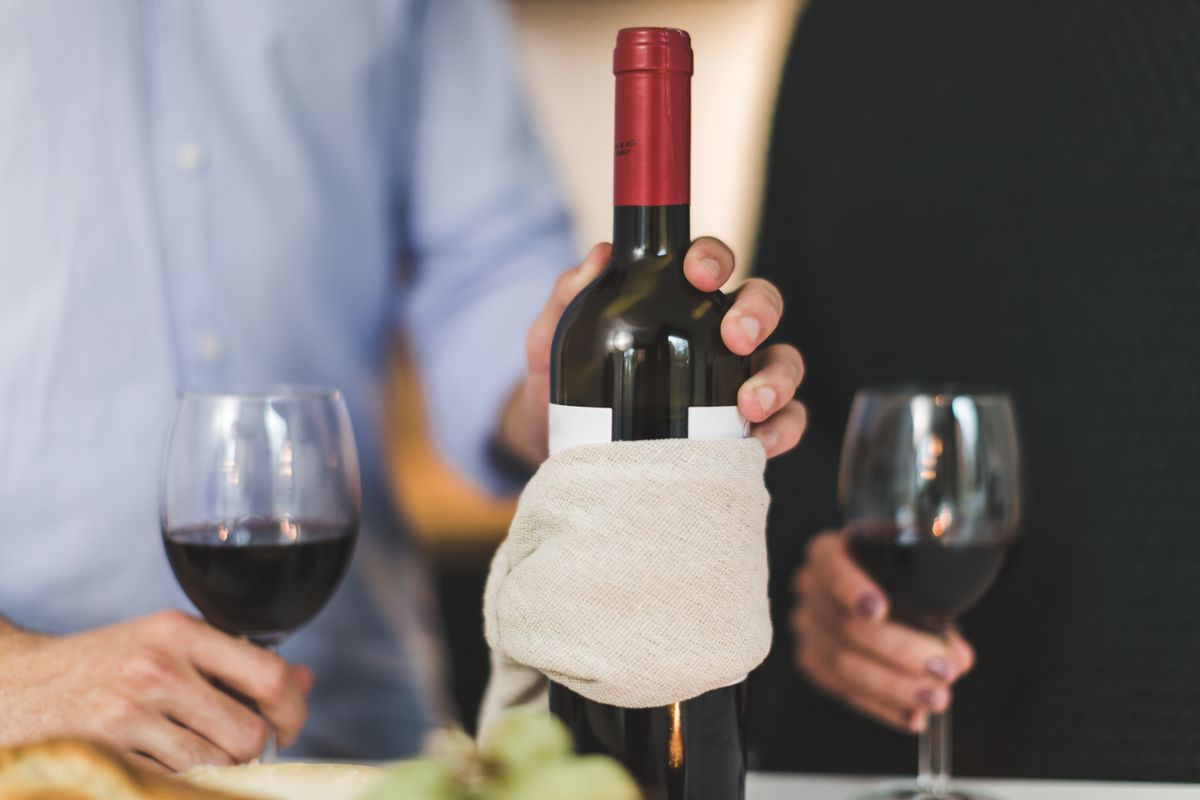
Chicago has a dining superpower that visitors rarely see coming: an enormous, thriving culture of restaurants that let you bring your own bottle. BYOB restaurants in Chicago are not a workaround or a novelty; they are a whole parallel dining scene, spanning Thai kitchens, sushi counters, taquerias and an Argentine steakhouse with a permanent line. Here is how the system works, where it shines, what to bring, and the etiquette that keeps everyone happy.
Why Chicago Is a BYOB Town
The short answer is paperwork. Chicago liquor licenses are expensive, slow to obtain, and tangled in ward-level politics, including dry precincts and moratorium streets where new licenses are simply not issued. For a small restaurant, especially an immigrant-family operation running on tight margins, skipping the license entirely is often the rational move. The city, unusually among American big cities, generally allows unlicensed restaurants to let guests bring their own alcohol, and an entire ecosystem grew up in that gap.
The result is a genuine win for diners. The restaurant saves on licensing, insurance and inventory; you drink exactly what you like at retail price instead of restaurant markup; and the bill at the end of the night comes in startlingly low. A dinner for four with two good bottles can cost less than the wine alone would at a licensed room of similar quality. This is why Chicagoans speak of BYOB with the warmth other cities reserve for their pizza. It is a civic institution, and in a summer of stretched budgets it might be the best deal in town.
The Etiquette: Read This Before You Pack a Bottle
BYOB has rules, most of them unwritten, all of them easy. First and most important: call ahead or check before you go. Policies vary by restaurant and can change, some places allow wine and beer but not spirits, and a few licensed restaurants confusingly also permit outside bottles for a fee. Thirty seconds of checking saves you from carrying a bottle back home like a scolded teenager.
Second, corkage. Many Chicago BYOBs charge nothing at all, which still amazes out-of-towners. Others charge a modest per-bottle fee for glassware, opening and ice. Either way, the economics remain firmly in your favor.
Third, and this is the part we insist on: tip as though you bought the wine there. Your server is opening, pouring, chilling and clearing your bottles all night while the check stays small. The house math changed; the work did not. Tip on the meal you would have had, not the bargain you got. Fourth, drink like a guest, not like it is your living room. BYOB depends on everyone behaving well enough that the city never rethinks the arrangement.
- Confirm the policy before you go, every time.
- Bring wine or beer unless spirits are explicitly welcome.
- A bottle per two people is plenty; you can always pace yourselves.
- Chill your whites before you leave home; not every room has fridge space.
- Tip generously, on the value of the evening rather than the total on the check.
The unofficial contract of Chicago BYOB: the kitchen gives you restaurant food at family prices, and you give them licensed-restaurant manners in return.
Thai and Vietnamese Rooms: The Heartland of BYOB
If Chicago BYOB has a spiritual home, it is the city's Thai kitchens. For decades, a certain kind of perfect Chicago evening has involved a storefront Thai dining room, a cold six-pack of lager, and a table covered in curry, larb and drunken noodles. Opart Thai House, a longtime North Side fixture, is the classic of the genre, and dozens of neighborhood Thai rooms across the city run the same welcoming playbook. Crisp beer against chile heat is one of the great food-and-drink partnerships, and at these prices you can afford to explore the back pages of the menu.
Vietnamese storefronts, particularly around Argyle Street on the North Side, extend the same logic: many are unlicensed, most are casual, and a bottle of dry Riesling alongside a spread of spring rolls, clay pot fish and bun bowls makes a strong argument for never eating downtown again. As always, policies vary room to room, so ask; some family operations prefer no alcohol at all, and their wishes are the final word.
Taquerias and the Cash-Friendly South Side Playbook
The taqueria is the other great BYOB habitat. Across Pilsen, Little Village and beyond, plenty of no-frills Mexican dining rooms are unlicensed and easygoing about a discreet cerveza with your carne asada, and some of our favorite cheap feasts in the city follow exactly this formula: a stack of tacos, a squeeze of lime, and a bottle you brought yourself. The neighborhood institutions we walk through in our guide to Pilsen restaurants include several rooms where this ritual is practically traditional, and the combined bill will make you laugh out loud.
Two notes of practical caution. Counter-service spots focused on takeout are not BYOB venues, so save the bottle for sit-down rooms. And the ask-first rule applies double here: family restaurants set their own comfort levels, and a cheerful question in any language is always welcome where an assumption is not.
Sushi Counters: The High-Low Masterstroke
Sushi is where BYOB economics get genuinely exciting, because the savings scale with your ambitions. Chicago has long supported a band of unlicensed neighborhood sushi counters, with Bucktown's Coast Sushi Bar among the best-known long-running examples, where you can pair a serious omakase-adjacent spread with a bottle of champagne you bought at retail. Sparkling wine and raw fish is a pairing usually taxed at restaurant markup rates; BYOB removes the tax. The move: buy a better bottle than you normally would, because tonight the difference stays in your pocket.
Sake enthusiasts, check policies carefully, since some rooms welcome it and others limit outside bottles to wine and beer. And bring your patience on weekends; the secret of BYOB sushi got out approximately twenty years ago.
Devon Avenue and the Important Exception
Devon Avenue, the great Indian and Pakistani commercial street on the far North Side, is essential Chicago eating: dosa halls, kebab houses, sweets shops and biryani specialists in glorious profusion. Some of its rooms, like the longtime favorite Hema's Kitchen, have historically welcomed BYOB, and a cold beer against a proper vindaloo justifies the whole system by itself.
But Devon is also where the ask-first rule matters most, because many of the street's institutions are halal, family-run and observant, and alcohol is not welcome on the premises at all. That is not a loophole to negotiate; it is the house culture, and the food needs no accompaniment beyond a mango lassi anyway. Check before you carry anything in, and when in doubt, leave the bottle in the car and order another round of naan. Nobody has ever left Devon feeling deprived.
The Stalwarts: Tango Sur and the Legends
Every BYOB conversation in Chicago eventually arrives at Tango Sur, the Argentine steakhouse on Southport that has been the scene's flagship for decades: candlelight, tango on the speakers, colossal cuts of beef, and a nightly parade of diners arriving with Malbec under their arms. It takes no shortcuts and no small appetites, the weekend waits are famous, and it remains the single best answer to the question "what does Chicago BYOB look like at its best?" Bring two bottles. The second one always disappears.
At the other end of the spectrum sits the scene's great oddity: Schwa, the Wicker Park tasting-menu iconoclast, spent years proving that even avant-garde fine dining could run BYOB, with diners toting grower champagne into one of the most creative kitchens in the country. Policies and reservations there have always been their own adventure, so verify everything before building a night around it, but its legend is a permanent part of the city's BYOB lore: proof the format has no ceiling.
What to Bring: Pairing by Cuisine
The bottle shop is part of the fun, so here is our shorthand, refined over many carried tote bags:
- Thai and Vietnamese: off-dry Riesling, dry rose, or a crisp lager; the touch of sweetness and low alcohol flatter the heat.
- Mexican: Mexican lager with lime does the classic job; a juicy, chillable red or a bright albarino upgrades the evening.
- Sushi: champagne or other dry sparkling, always; this is the pairing BYOB was invented for.
- Indian and Pakistani, where permitted: lager or a fruity, low-tannin red; hoppy IPAs amplify chile burn, which we consider a rookie move.
- Argentine steakhouse: Malbec, unapologetically, though a good cabernet has never been turned away at Tango Sur.
- Middle Eastern: dry rose covers the whole mezze table with room to spare.
General principles: lower alcohol beats higher with spicy food, bubbles flatter fried anything, and screw caps are a feature, not an embarrassment, when there is no sommelier coming to rescue a crumbled cork.
Building the Perfect BYOB Evening
A little choreography turns a BYOB dinner from errand into occasion. Step one: pick the restaurant first, then shop for it; the bottle should answer the menu, not the other way around. Step two: find the good wine shop near the restaurant rather than near home, because Chicago's neighborhood bottle shops are excellent and their staff will pair enthusiastically if you tell them where you are headed. Asking "what should we drink with Thai food tonight" is the whole job description of a good wine clerk, and they light up at the question.
Step three: solve temperature before you leave. Whites and sparkling want a real chill, and the fifteen-minute walk in August heat is working against you; a shop's fridge case is your friend, and a small insulated tote marks you as a veteran rather than a nerd. Step four: bring a corkscrew. Most rooms have one, but the night you assume is the night the kitchen's only opener has vanished, and screw caps sidestep the drama entirely.
Done right, the rhythm becomes its own ritual: the shop browse, the walk, the cork, the food arriving in waves. Half the couples we know have a standing BYOB spot for exactly this reason. It is dinner with a tiny project attached, and tiny projects are underrated glue.
When BYOB Is Not the Move
Honesty compels us to note the format's limits. Some cuisines are simply better with a licensed program attached: the smoky, soju-and-beer rhythm of the grill houses we cover in our guide to Korean BBQ loses something without the full table service, and cocktail-driven evenings obviously require an actual bar. BYOB also demands a little logistics, and there are nights when carrying nothing is the luxury you actually want.
But for a first date where the bill should not be the story, a group dinner on a budget, or a Tuesday that deserves better than delivery, the format is unbeatable, which is why several BYOB rooms feature prominently in our roundup of date night ideas across the city. A shared bottle you picked out together, a storefront room with the windows open to a warm August night, a check that surprises you in the right direction: that is Chicago dining at its most likable, and no license required.
FAQ: Chicago BYOB
Is BYOB actually legal in Chicago?
Broadly yes: Chicago generally permits unlicensed restaurants to allow guests to bring their own alcohol, which is why the scene is so large. Individual restaurants set their own policies, some limiting it to wine and beer, and rules can differ in dry precincts. The practical rule never changes: confirm with the restaurant before you arrive.
How much corkage should I expect?
Many Chicago BYOBs charge no corkage at all; others charge a modest per-bottle fee to cover glassware and service. It is rarely enough to dent the savings versus a licensed wine list. If a fee matters to your budget, ask when you book, and remember to tip your server as if the bottles had come from the house.
Can I bring spirits or cocktails to a BYOB restaurant?
Usually no. The default expectation is wine and beer; premixed cocktails and hard liquor are commonly declined, and showing up with a handle of anything reads badly. A few rooms explicitly welcome spirits, but treat that as the exception. When the evening calls for cocktails, book somewhere with a bar and enjoy the professionals' work.